Work / Case study · Personal project
A game you play by walking,
that never tells you to.
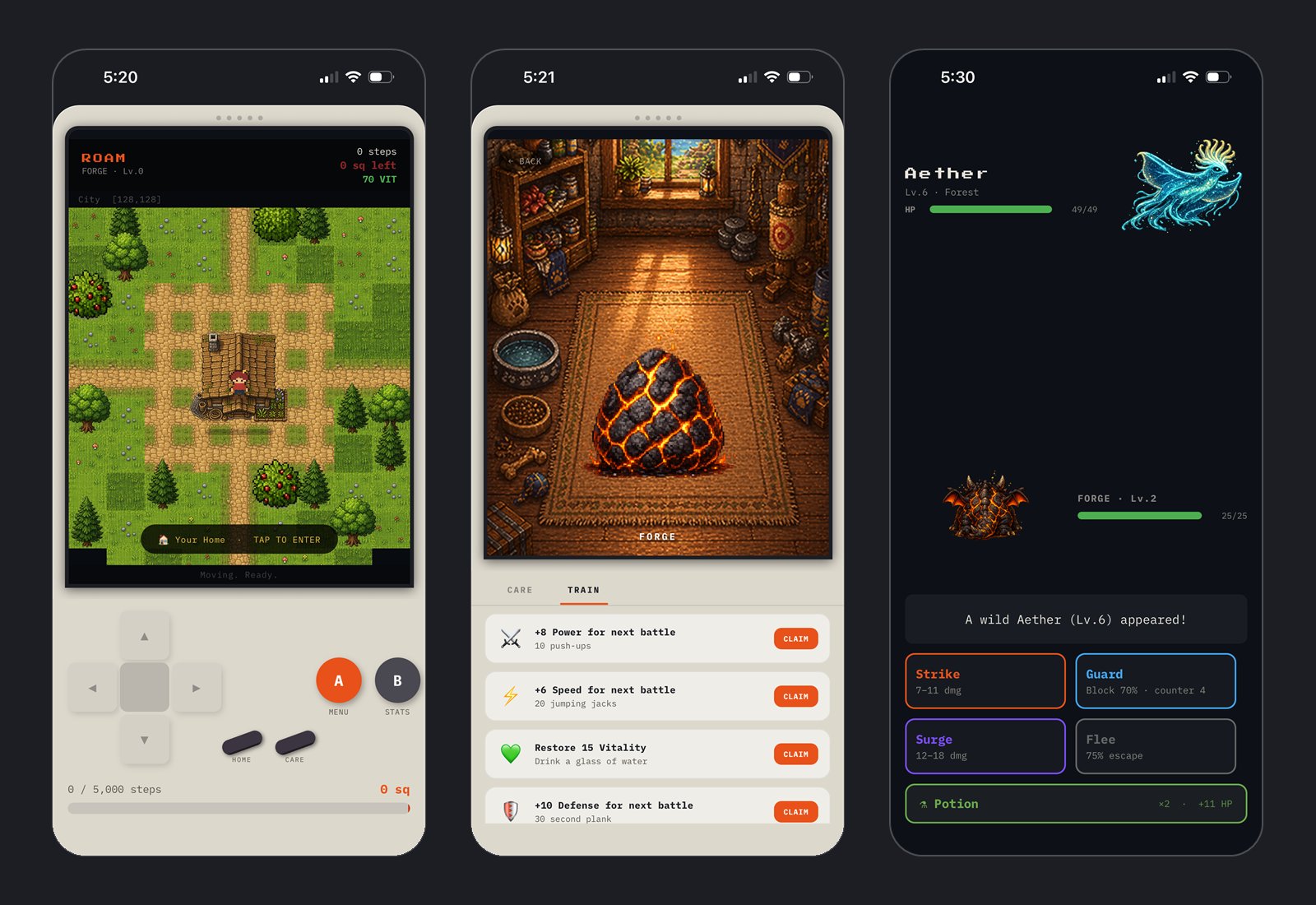
ROAM: Realms of Ancient Monsters turns real steps into a fantasy adventure. Walking moves you across the map, and food, rest and consistency shape how your companion grows. The game never explains any of it. I designed it, AI coding agents built it, and it's live on the App Store.
- Role
- Designer and product owner (personal project)
- Built with
- AI coding agents · React Native (Expo), Supabase
- Timeline
- April – June 2026 · live on the App Store since May 2026
- Music
- Original score by Peter Adams
The idea
Most fitness apps work by telling you what to do: streaks, nudges, red badges. They work for a while, then they turn into one more thing that nags you.
I wanted the opposite. A game where moving your body is simply how you play, and where the healthy choice is built into the rules instead of written on the screen. The principle I wrote on day one:
The best choice for your creature is always the best choice for you. This is never stated. It is simply true, and players feel it.
Designing the rules, not the reminders
Most of the design work in ROAM is a set of systems nobody sees. Each one maps a real habit to something you feel in the game:
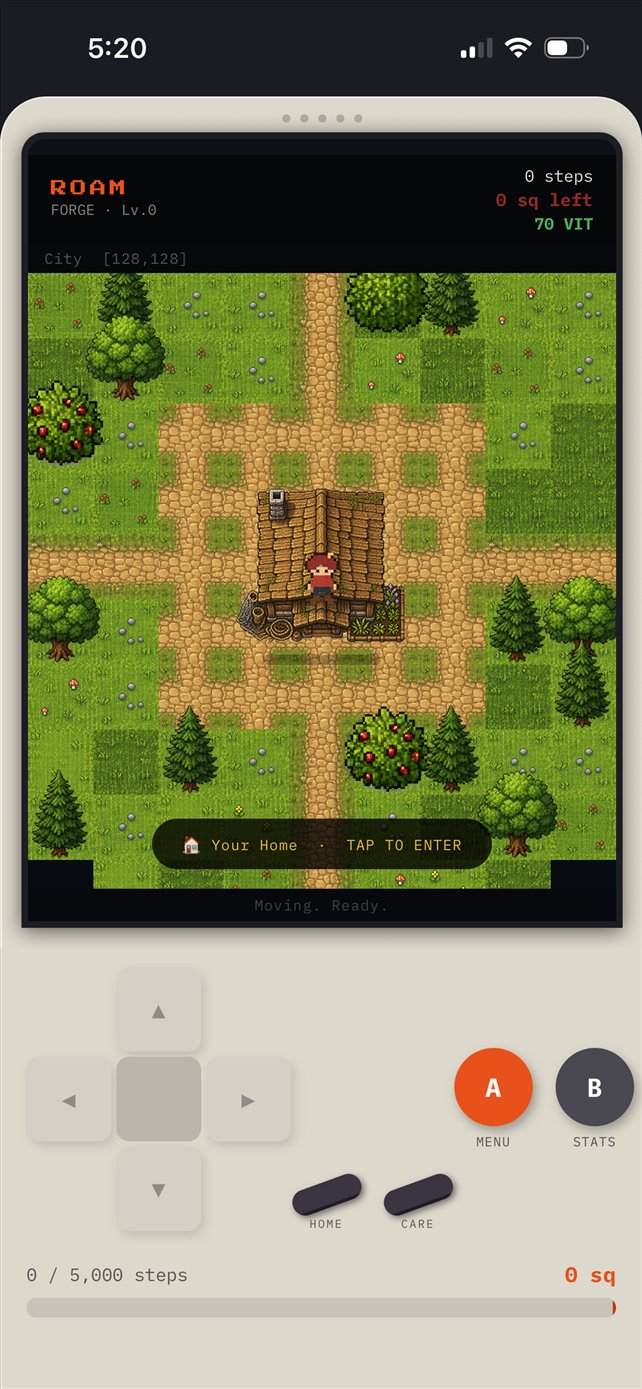
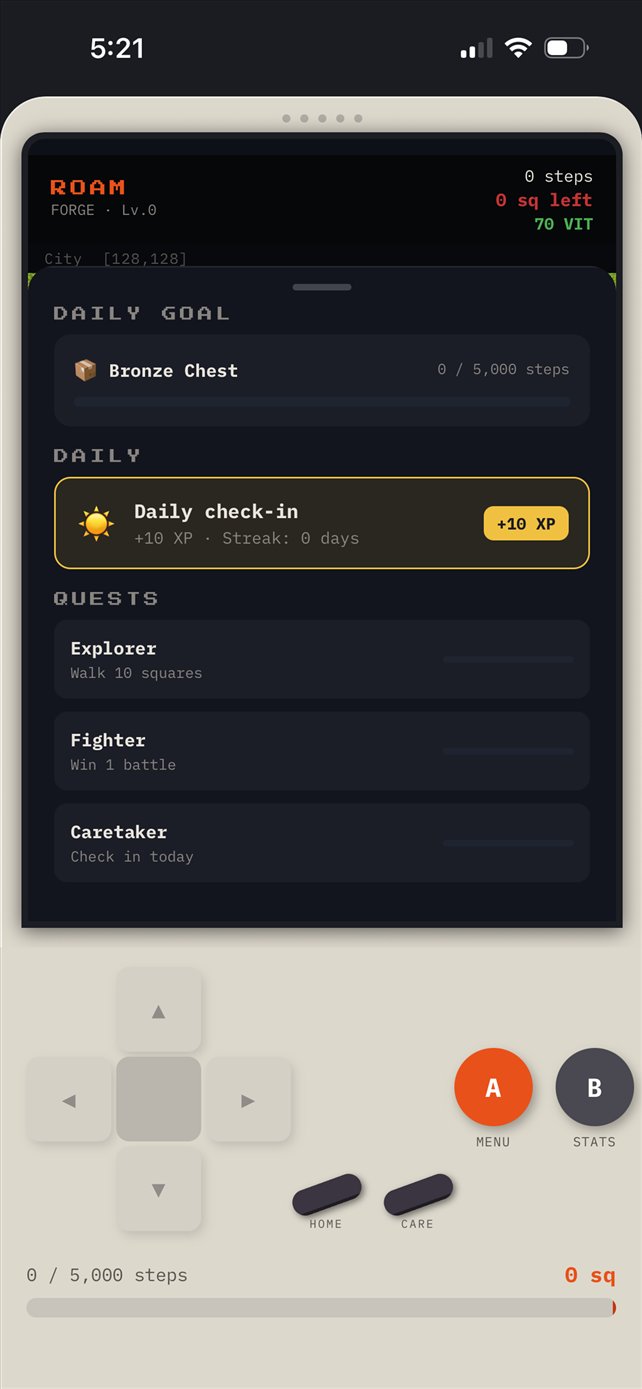
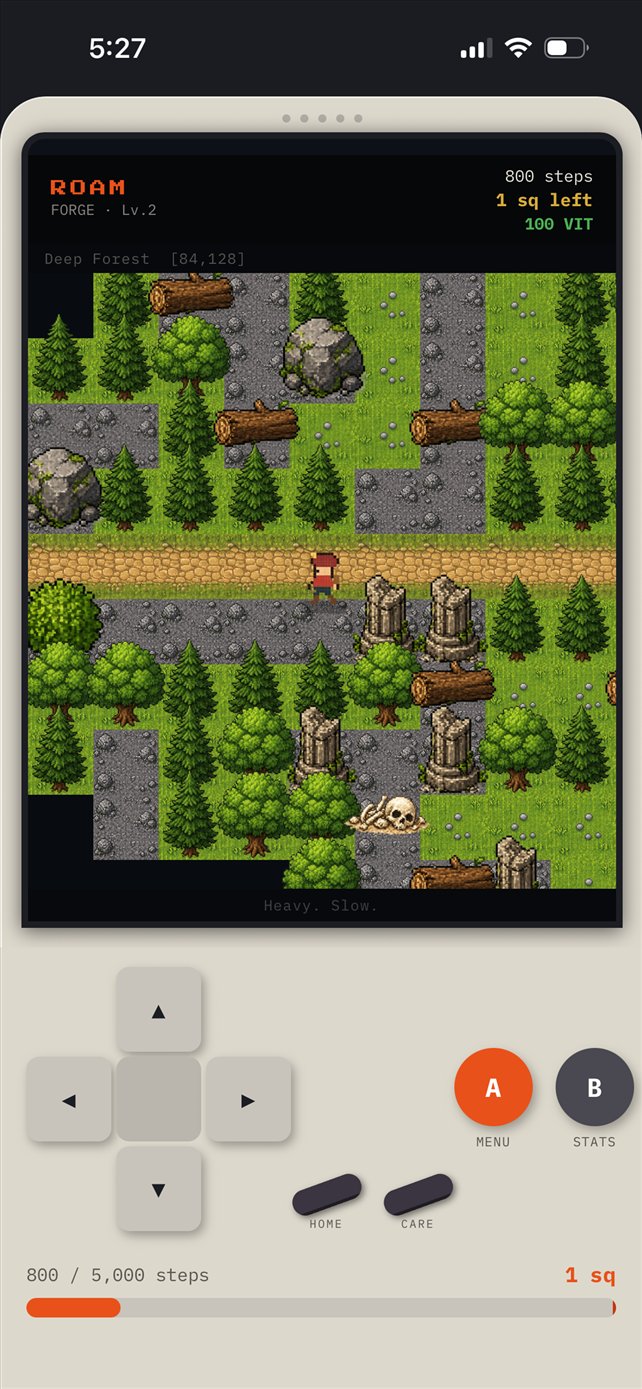
Every 10 steps is one square on the map. You can only explore as far as you've actually walked, and 5,000 steps opens the day's chest. The world literally opens up as you move.
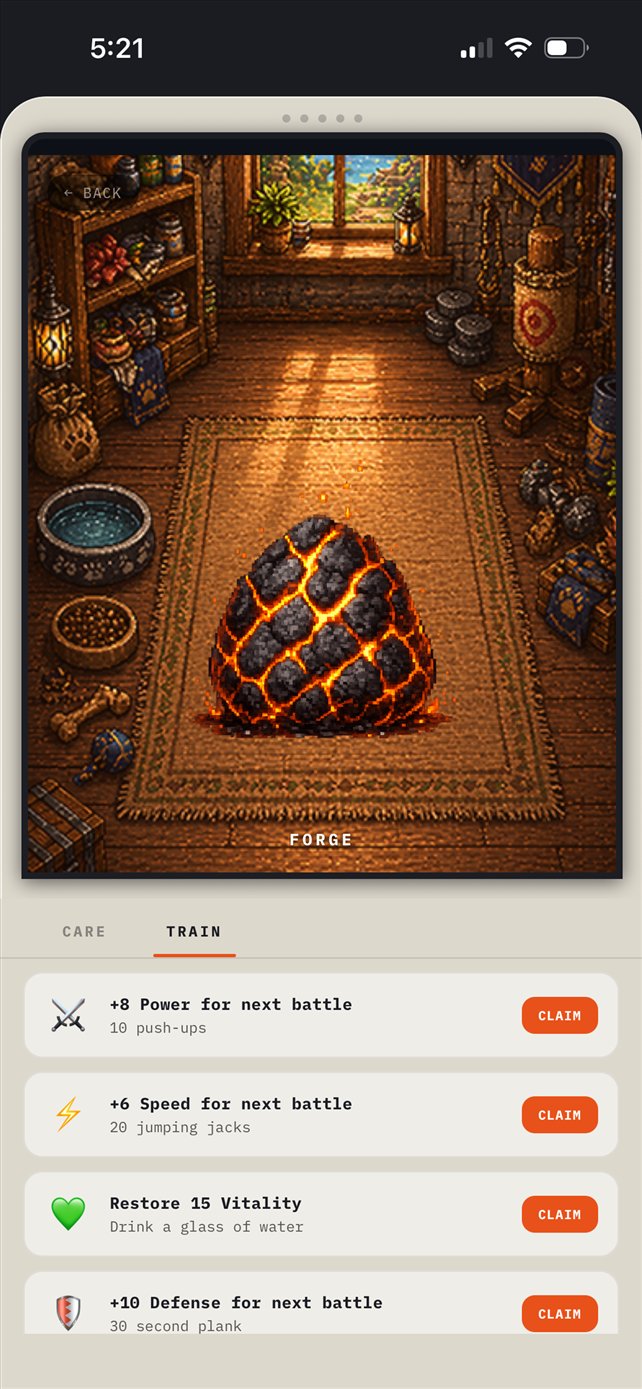
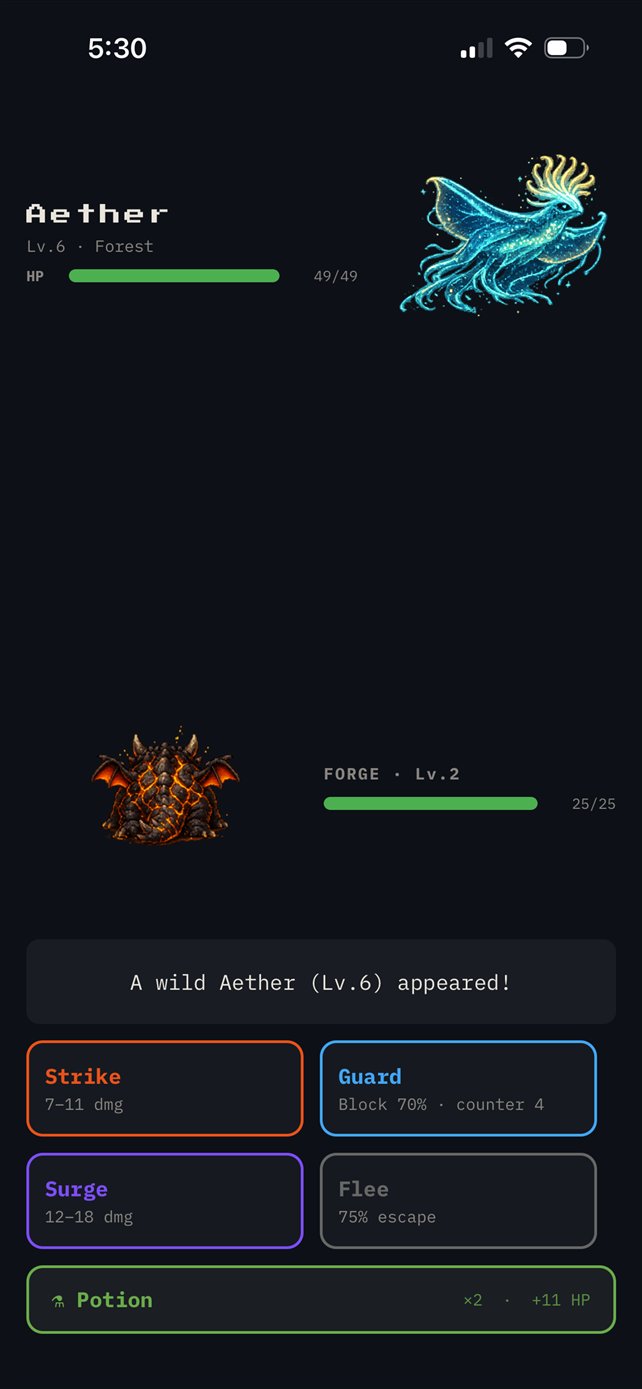
Consequences you discover, not read. Fast food fills your companion up but leaves it sluggish if you rely on it. Whole food pays off slowly and makes it stronger over time. Its glow brightens or dims, and the game never says why.
Rest is rewarded, and overtraining is real. A quiet day earns a bonus the next time you're active. Too many hard days in a row without a break, and your companion starts to wear down.
It fits how you move. Three questions at the start (do you walk and run, work hard and recover, or do a bit of everything?) decide which of three creatures hatches from your egg.
A world paced to real life
A game about walking can't be finished in a weekend. Each city opens after a total number of real steps, so the story unfolds over months, at the pace of an actual walking habit. Each city also has its own mentor, and the story gives you a reason to keep going.
| City | Lifetime steps | Roughly |
|---|---|---|
| Arenfall | Home | Where the story starts |
| Halvenmere | 15,000 | A few days of walking |
| Duskridge | 50,000 | A few weeks |
| Ironhaven | 120,000 | A couple of months |
| Thessalport | 250,000 | About half a year |
A device, not an app
The whole interface is a handheld console: a warm cream shell, a dark screen bezel, a D-pad with haptic clicks, and A and B buttons. Pixel type on the game screen, a clean monospace for everything else. It makes a step counter feel like a toy you want to pick up, and it gives every screen the same frame, so the game feels like one object.
Review as design critique
Apple turned ROAM down twice before approving it, and every reason was really a design lesson:
- A placeholder button. Anything on screen is a promise. I removed the unfinished sign-in option instead of shipping a fake one.
- No way to delete your account. Letting people leave is part of the product. It now deletes the account and saved progress together.
- Sign-up required to play. Let people try first. I added guest play, and made sure a guest's progress carries over if they create an account.
- The name didn't match. The app said "roam" and the store said "Realms of Ancient Monsters." The name people tap should match the name they searched for.
The third submission was approved, and updates followed with original music, a password reset, clearer navigation and safer cloud saves.
What I'd do differently
Design the whole account lifecycle on day one: trying the game, signing up, signing in on a new phone, and leaving. I treated those as plumbing to add later, and every App Store rejection came from that gap. They're the moments where people decide whether to trust a product.