Work / Case study
One platform, one system,
for 13,000 consultants.
Slalom's people were juggling five tools to answer one question: what's next for my career here? I led the design of me@slalom, which replaced all five with a single platform built on a design system I built and govern.
- Role
- Manager, UX Design: research, information architecture, design system, delivery
- Team
- 5 designers & researchers, partnered with 8 engineers
- Timeline
- Feb 2021 – present · launched to 45 markets
- Scope
- 13,000+ consultants · replaced Workday, Confluence, SharePoint, Slack and Outlook workflows
The problem
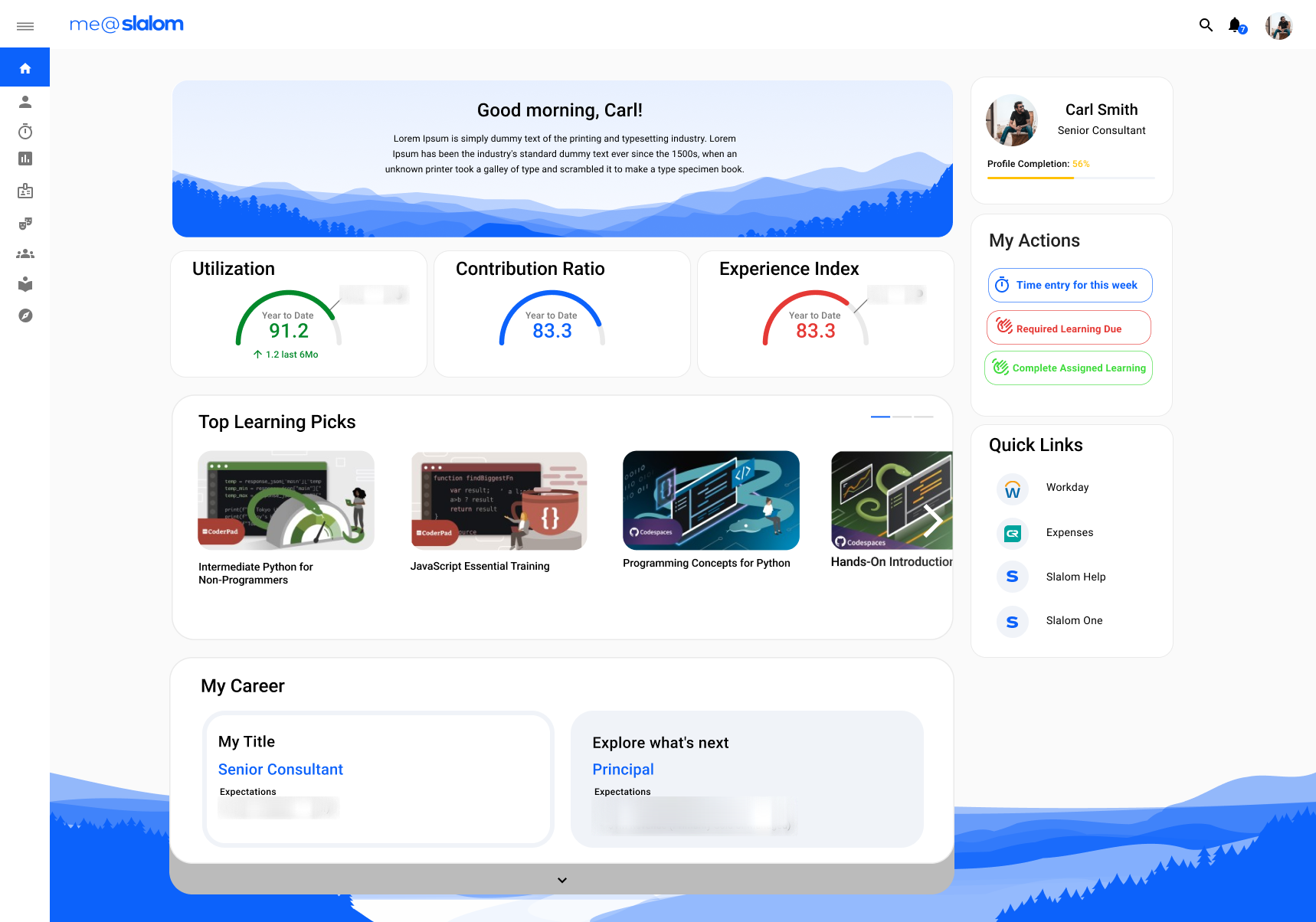
Slalom is a people-first consulting firm with 13,000+ employees across 45 markets. Internal tools for career growth matter to retention, but they hadn't kept up with the company's growth. Finding a new role, tracking development and getting HR answers meant moving between Workday, Confluence, SharePoint, Slack and Outlook.
The cost wasn't only time. Every hop between tools lost context, and every lost answer became an HR ticket.
What research showed
I ran a discovery program of 12 in-depth interviews across 10 functions, with people leaders and team members in the US, Canada and Japan, plus a 200-person survey on tool use and pain points. Two findings set the direction:
Employees had stopped expecting improvement. They'd built workarounds and accepted the friction as permanent.
HR operations was answering the same questions every week. Deflecting those with a well-designed AI layer would free the team for higher-value work.
The bet
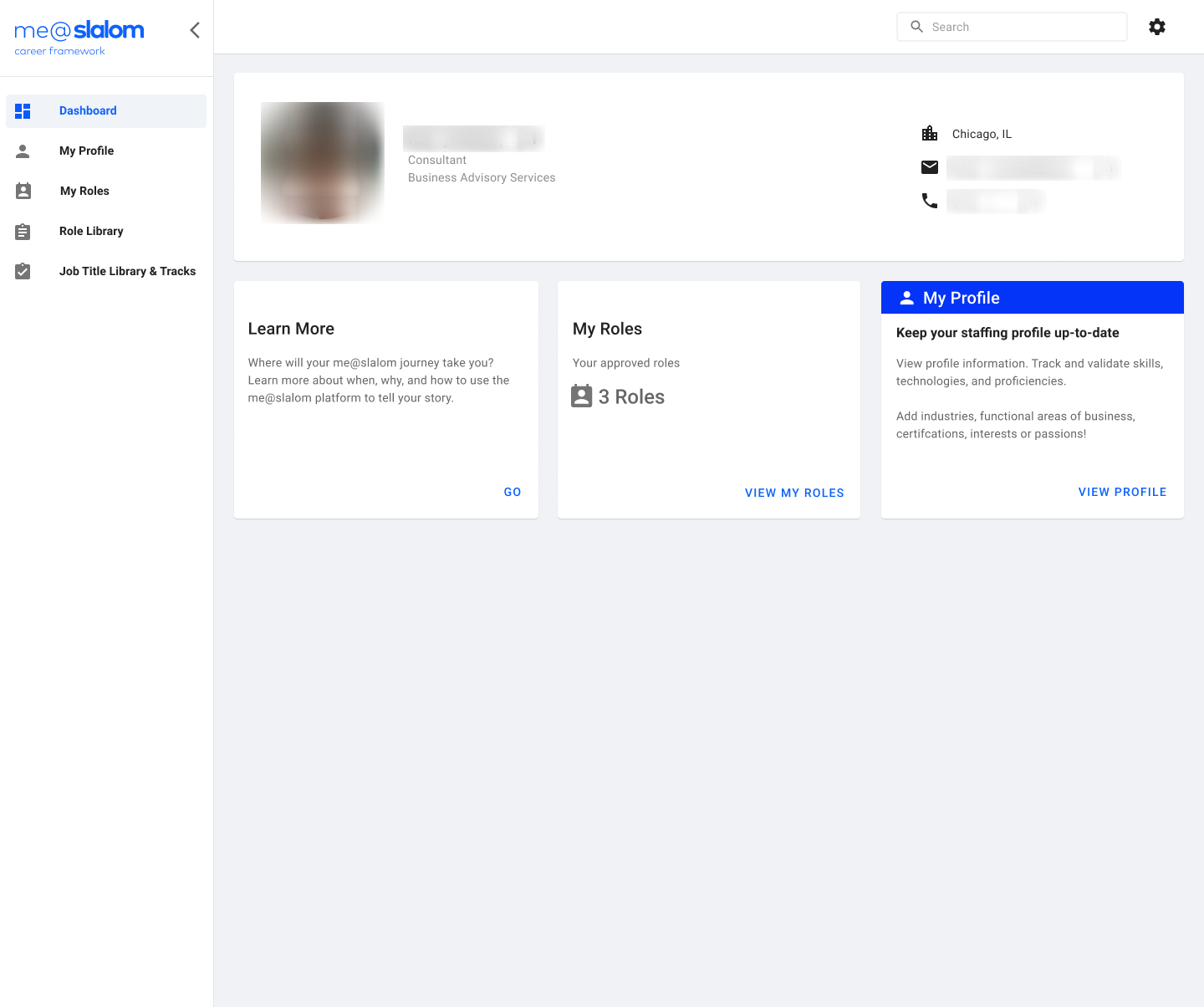
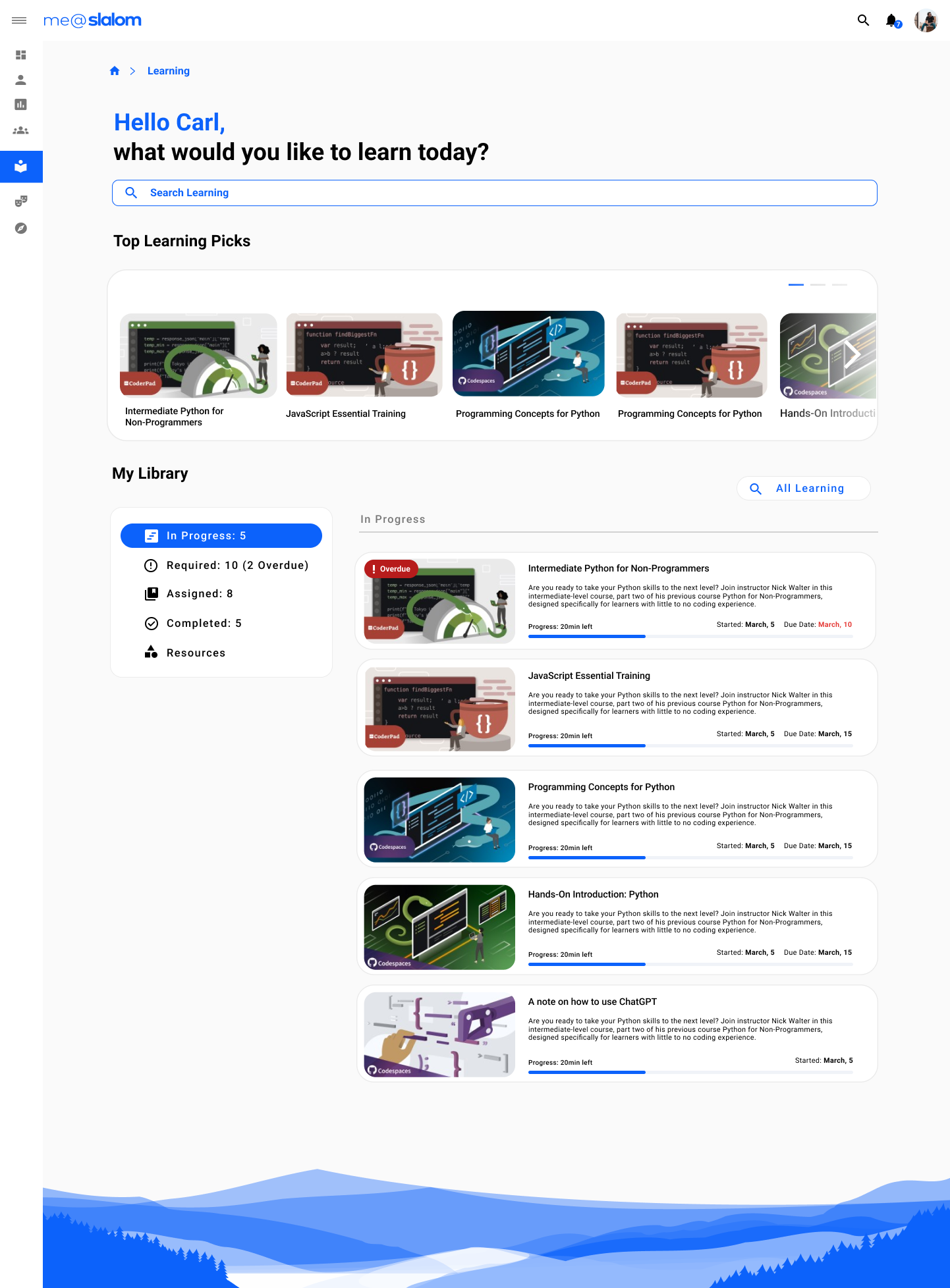
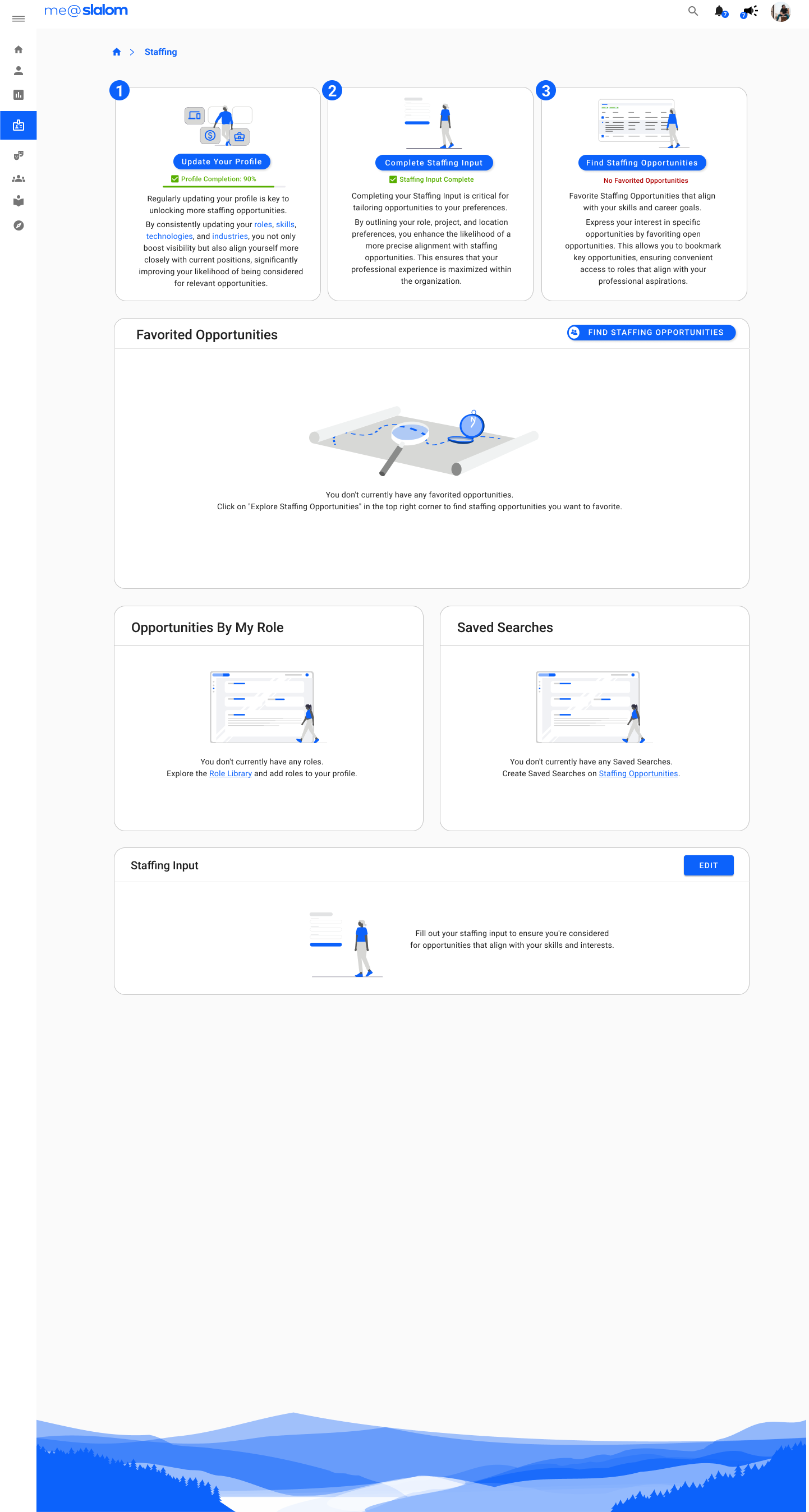
Seven modules, one system. Each module replaced a legacy tool while feeding a unified data layer, so information flows between features instead of living in silos. An embedded AI assistant answers the questions HR used to field by hand.
The career-management workflow, rebuilt on that data layer, went from an average of 22 minutes to about 3.
The design system
A single platform only stays coherent if everything is built from shared parts. I built the me@slalom design system and govern it: foundations, design tokens, a component library and pattern documentation.
- Foundationscolor · type · space · grid
- Tokensnamed by role, themed by mode
- Componentsthe shared library
- Patternsdocumented flows
- Product7 modules, 1 data layer
Governance runs across every layer: contribution, review, documentation, adoption.
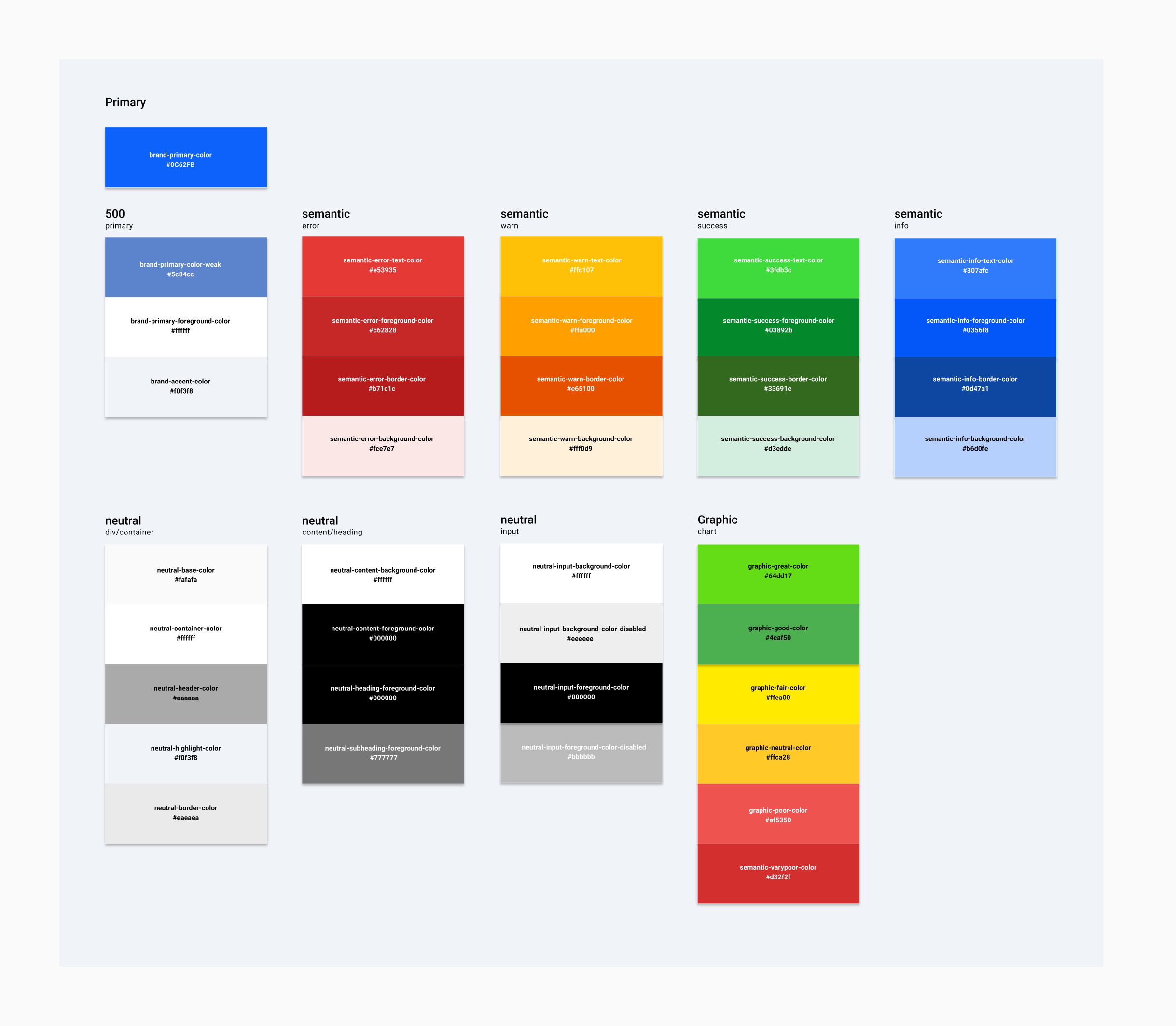
Tokens named by role, not by color
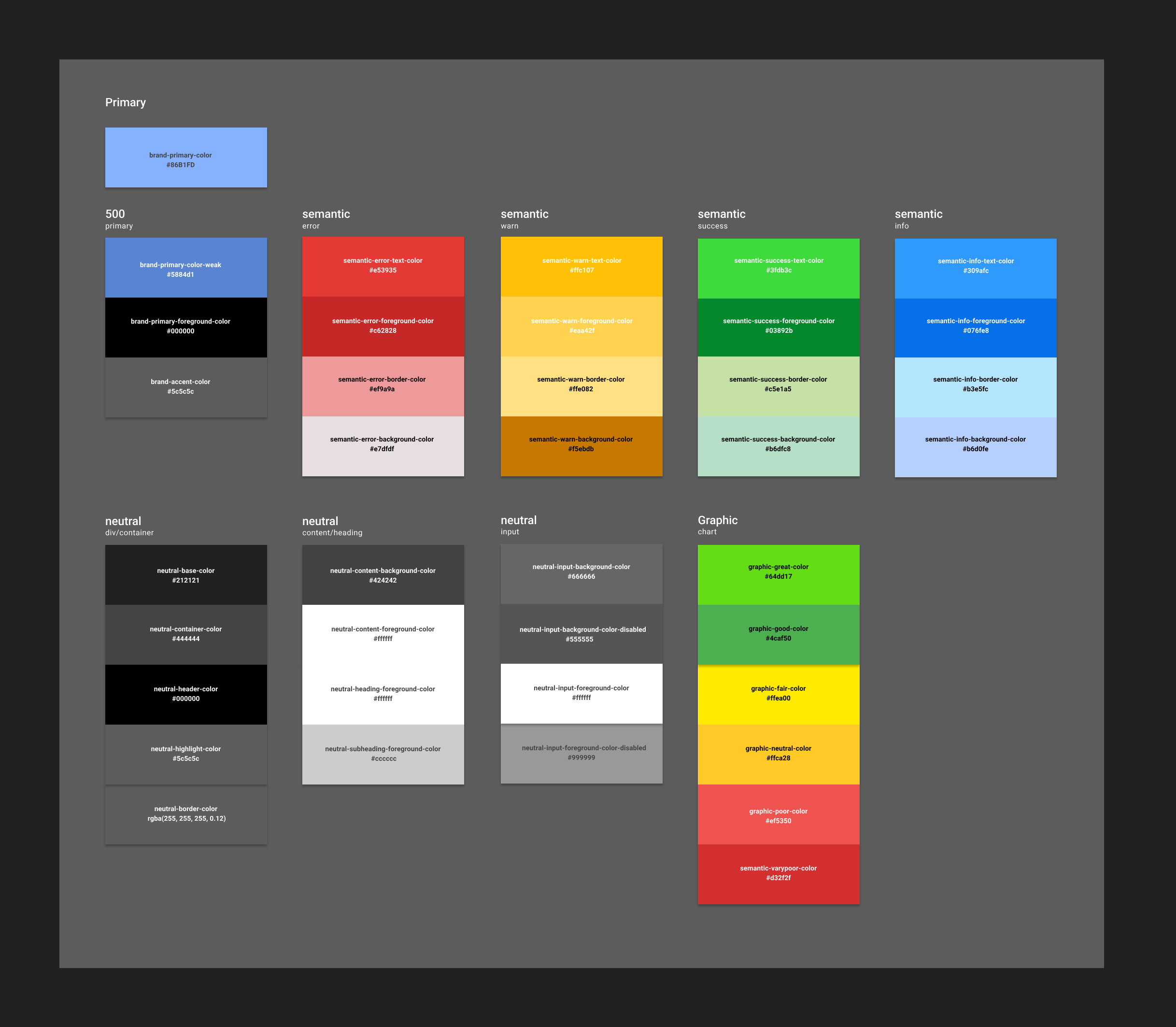
Every color is named for the job it does: brand-primary; semantic families for error, warn, success and info, each split into text, foreground, border and background; neutrals for containers, content and inputs; and a graphic scale for charts that runs from graphic-great to graphic-poor.
Because components reference roles instead of hex values, the same token names resolve to different values in light, dark and brand modes. A theme becomes a data change, not a redesign.
AI in the workflow
I piloted AI-enabled design-system workflows with the team, using Figma AI, Claude and ChatGPT to generate component variants, draft pattern documentation and surface token inconsistencies, and coached the team as they adopted them.
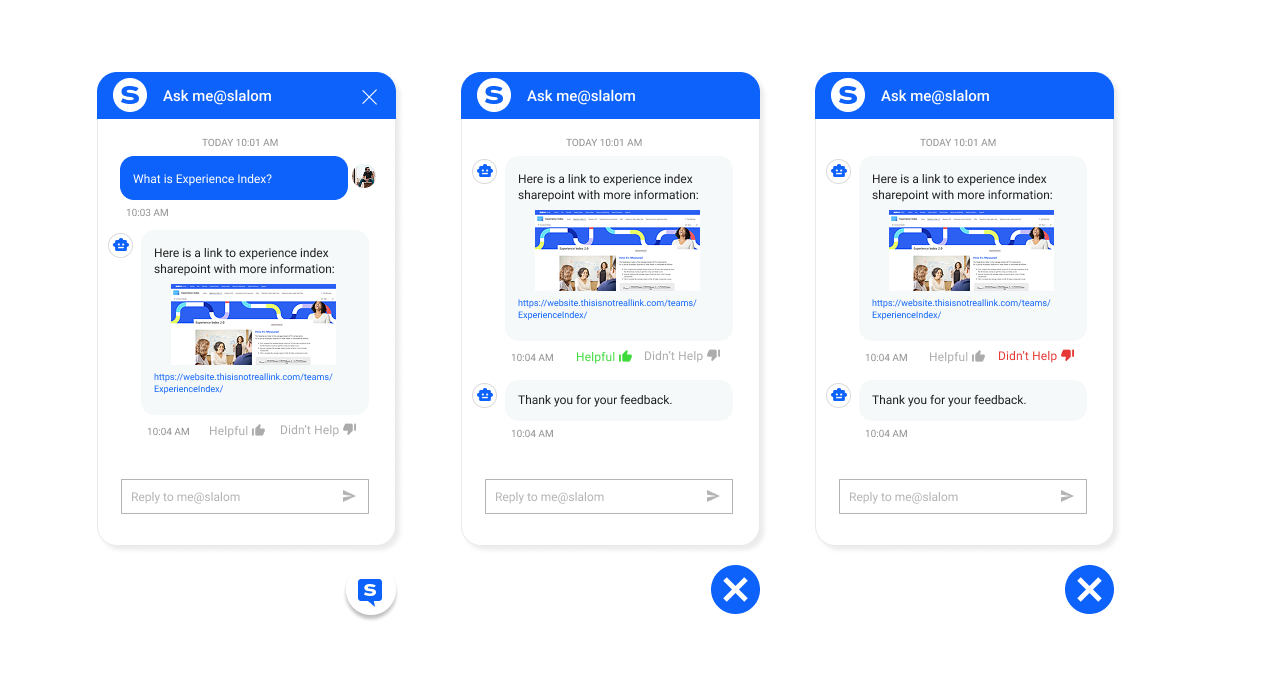
The product has AI in it too. Ask me@slalom answers employee questions in place, and every answer carries a "Helpful / Didn't help" control, so the team can see where the assistant earns trust and where it doesn't.
The lesson carried into my own projects, where AI agents implement the design system in code. When agents consume a design system, tokens and documentation stop being reference material and become instructions.
Results
Within 12 months of launch, employee satisfaction rose from 41% to 85% and HR ticket volume fell 60%. The core career task went from about 22 minutes to about 3.